

Discover the Majestic White-Tailed Deer in Mont Tremblant
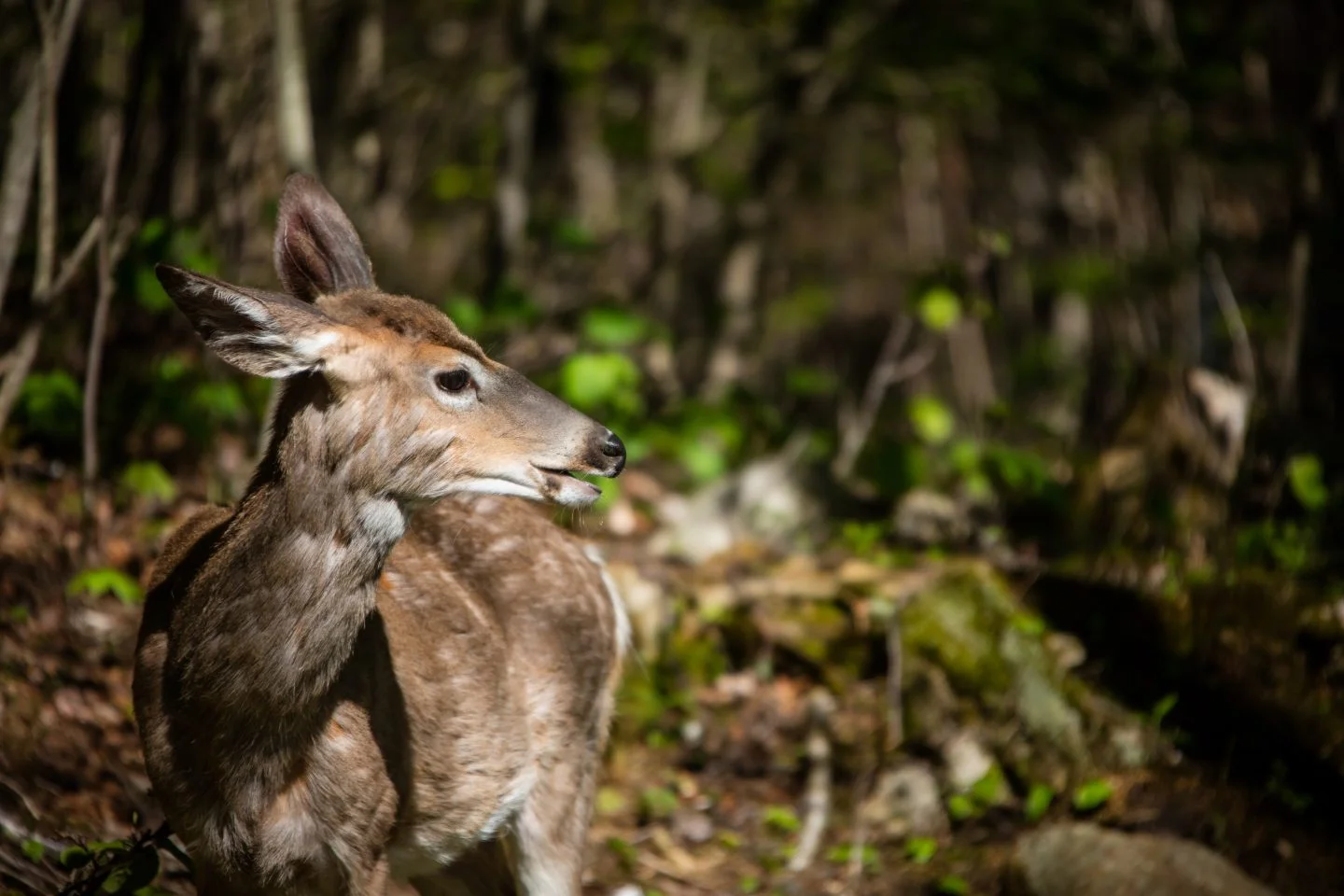
In the picturesque setting of Mont Tremblant, the white-tailed deer is a captivating presence that adds a touch of wilderness to the area. Often seen wandering through the pedestrian village, these deer are a testament to the region’s rich biodiversity. Known as “chevreuil” in French, the white-tailed deer is frequently mistaken for the smaller roe deer. However, the white-tailed deer is larger, standing about 1 meter at the shoulder and weighing between 55 and 170 kg (120 to 375 pounds). These animals are well adapted to human presence and have a lifespan of approximately 10 years.
Throughout the year, the life of the white-tailed deer unfolds in a fascinating cycle. In spring, females give birth in secluded clearings, choosing safe spots covered in tall plants. They can have between one and four fawns per litter, each weighing between 1.5 and 5.5 kg. The fawns are left alone for a few hours to avoid attracting predators, as they emit no body odor during their first weeks of life. As summer arrives, the deer become more sedentary, feeding on a diet rich in grasses, leaves, fruits, and mushrooms. Their activity peaks at dawn and dusk, as they spend much of the day ruminating in the undergrowth.
Autumn marks the breeding season, characterized by the males’ roars and the females’ olfactory signals. The mating period lasts from October to December, with peak activity in November. Males, being polygamous, stay with a female until her ovulation before seeking another partner. As winter approaches, the deer migrate to wintering areas with milder climates and less snow, such as the western slope of Mont-Tremblant. These areas are crucial for their survival, offering shelter and food paths under conifers.
What Makes This Experience Special
Observing the white-tailed deer in Mont Tremblant is a unique experience that highlights the region’s natural beauty and ecological importance. These deer are a vital part of the local ecosystem, and their presence is a reminder of the delicate balance between wildlife and human activity. To observe them responsibly, it is essential to maintain a safe distance and avoid feeding them, as this can lead to dangerous habits and increased road accidents. By respecting these guidelines, visitors contribute to the conservation of this emblematic species and the overall ecological health of Mont Tremblant.
How It Fits Into a Mont Tremblant Getaway
Experiencing the white-tailed deer in their natural habitat is a perfect addition to any Mont Tremblant getaway. After a day of wildlife observation, retreat to a cozy cottage in Mont Tremblant for a relaxing evening. Moods Cabin offers a refined chalet rental in Mont Tremblant, providing comfort and privacy amidst the stunning natural surroundings.
Planning Your Visit
When planning your visit to Mont Tremblant, consider the seasonal behaviors of the white-tailed deer to maximize your chances of observation. Whether you’re visiting in spring to witness the birth of fawns or in autumn to hear the males’ roars, each season offers a unique glimpse into their lives. For more information, visit the official event page.
Book Your Stay in Mont Tremblant
After enjoying this Mont Tremblant experience, return to a relaxing cottage in Mont Tremblant and enjoy a peaceful retreat surrounded by nature. Moods Cabin offers a refined Mont Tremblant vacation rental designed for comfort and privacy.